
Dialogue
Who is heard?
The demand to be heard can reveal exclusions within the very movement advancing it.
Disagreement inside a movement
The 1913 Woman Suffrage Procession contested the exclusion of women from political participation. Yet accounts of the procession also document dispute over the placement of Black women. Ida B. Wells-Barnett resisted being separated from the Illinois delegation and marched with it. Sources differ about some organizational details; those differences matter.
The scene invites attention both to an argument against exclusion and to the treatment of people whose experience complicates it. An invitation to speak does not settle the terms of participation. Listening includes a willingness to let another account change the questions, the perspectives considered, and the conclusions that remain open.
What makes disagreement an occasion for inquiry rather than a reason to exclude?
This is an interpretation of documented history, not an operating discussion forum. The procession; Library of Congress context.
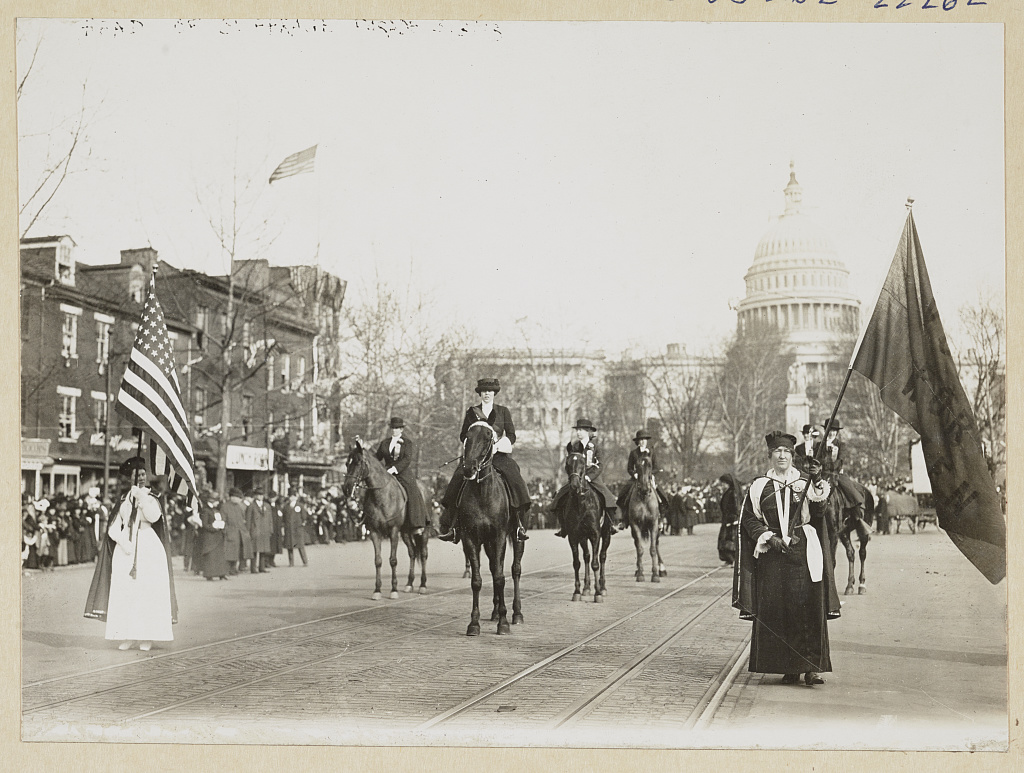
Disagreement
is part of inquiry.
A moderated forum for intellectual exchange remains a proposal. This website offers no discussion service, accounts, message forms, or collection of participant information.
Listen with attention
Engagement need not require agreement. Interpretation can remain open to revision.
Respond with care
Prospective formats include scholarly correspondence and invited replies; neither is offered as a service here.